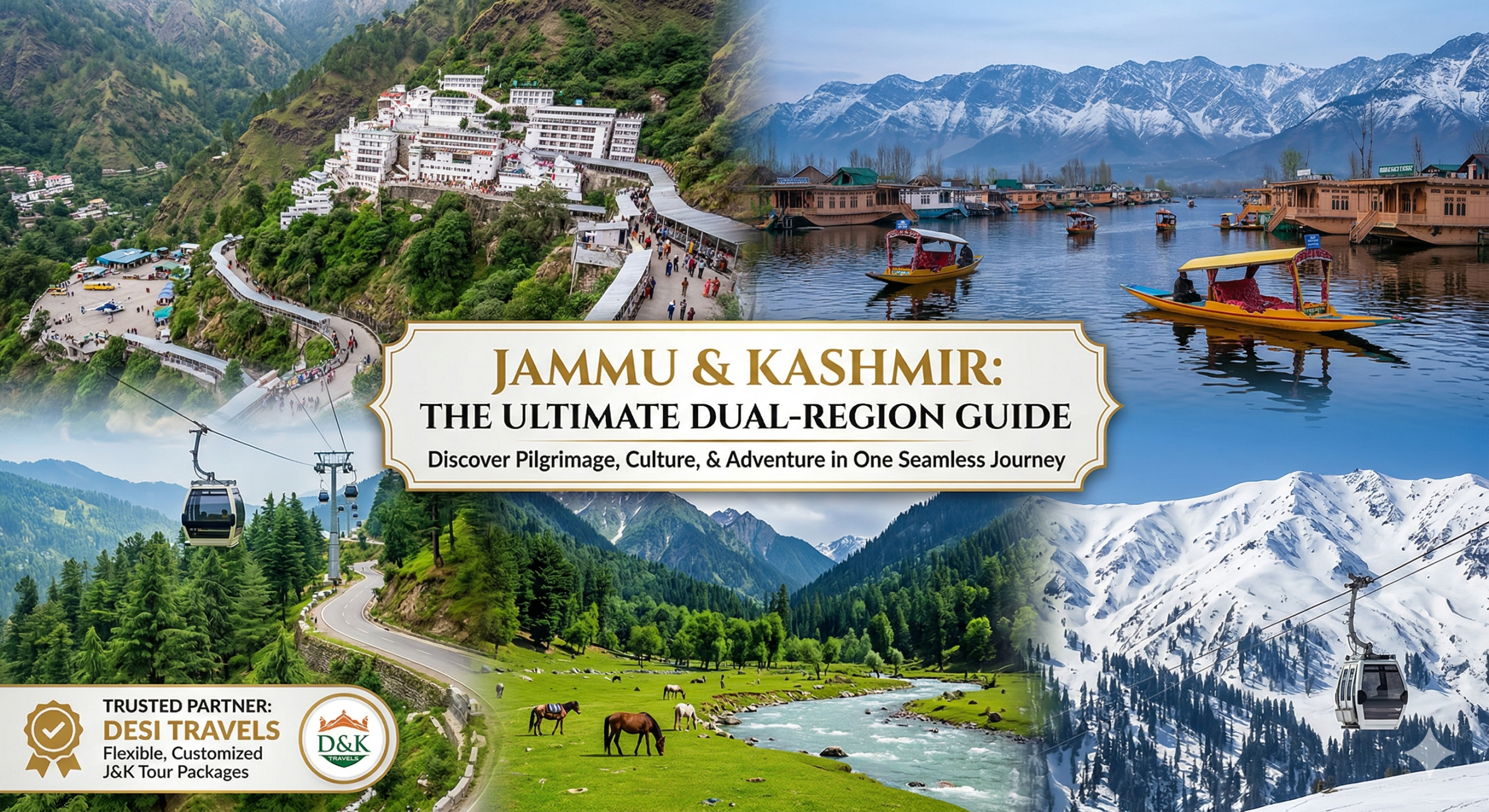
Exploring both Jammu and Kashmir in a single journey is the most rewarding way to experience the full spectrum of the Himalayas. While Jammu offers spiritual depth and rolling hills, Kashmir provides the high-altitude meadows and iconic water-scapes that have captivated travelers for centuries.
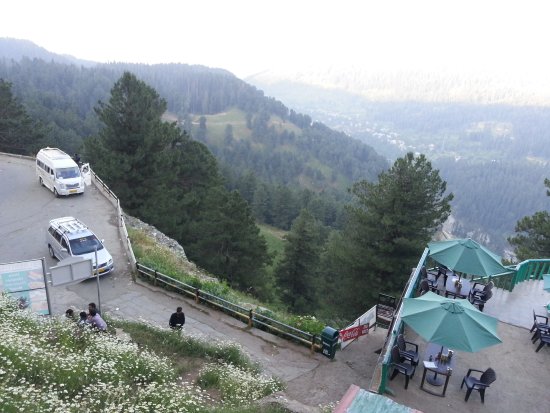
Most combined tours begin in Jammu, the “City of Temples.”Vaishno Devi (Katra): Just 45 km from Jammu, Katra is the base for the 12 km trek to the Holy Cave of Mata Vaishno Devi.2026 Tip: Use the RFID tracking cards (mandatory for all pilgrims) and consider the battery-operated cars from Adh Kuwari to the Bhawan for a smoother journey.Patnitop: Located on a plateau in the Shivalik belt, this is the perfect “buffer” stop between the plains of Jammu and the valleys of Kashmir. Enjoy the Skyview Gondola, one of India’s highest ropeways, which connects Sanget to Patnitop.
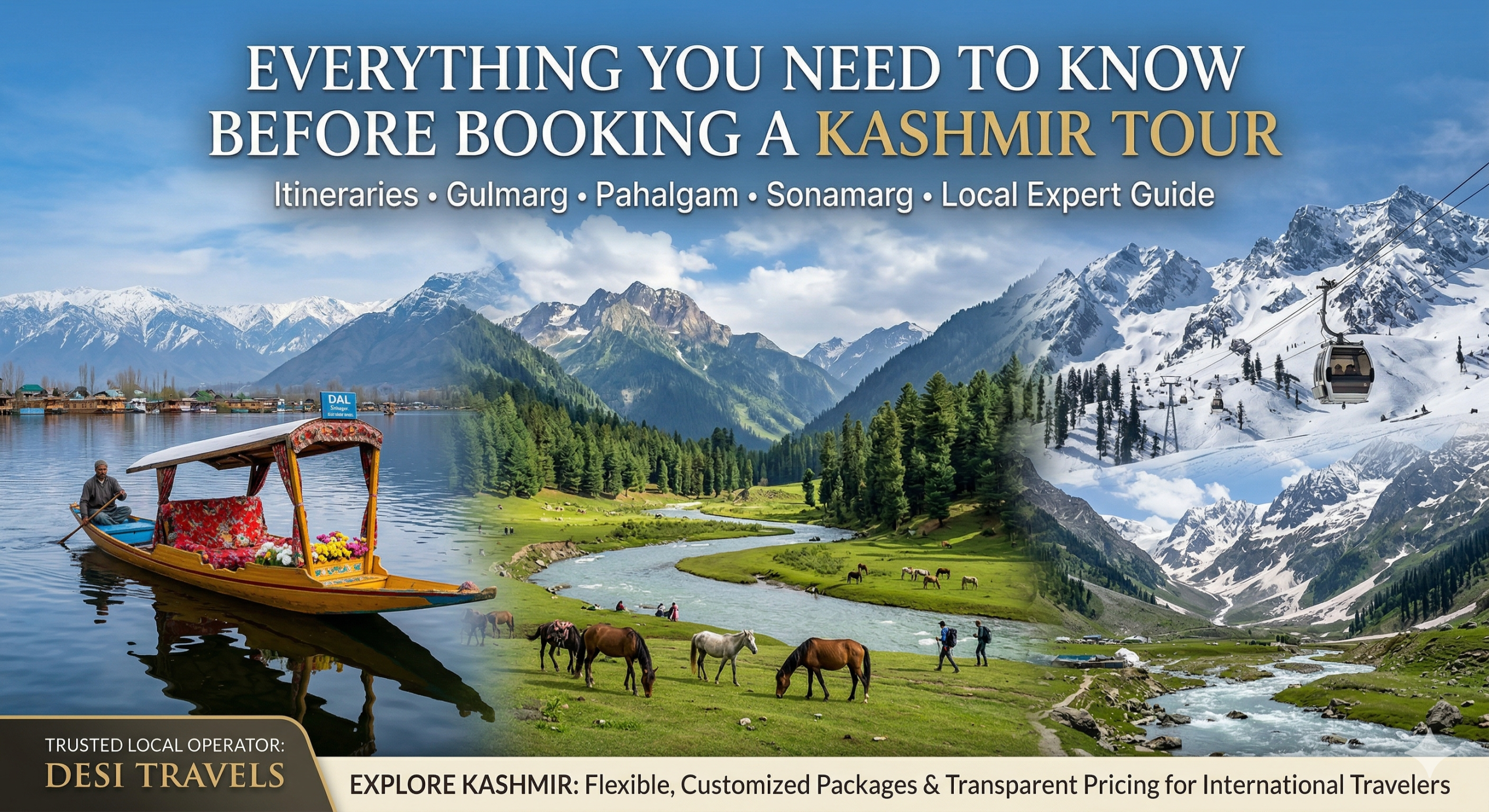
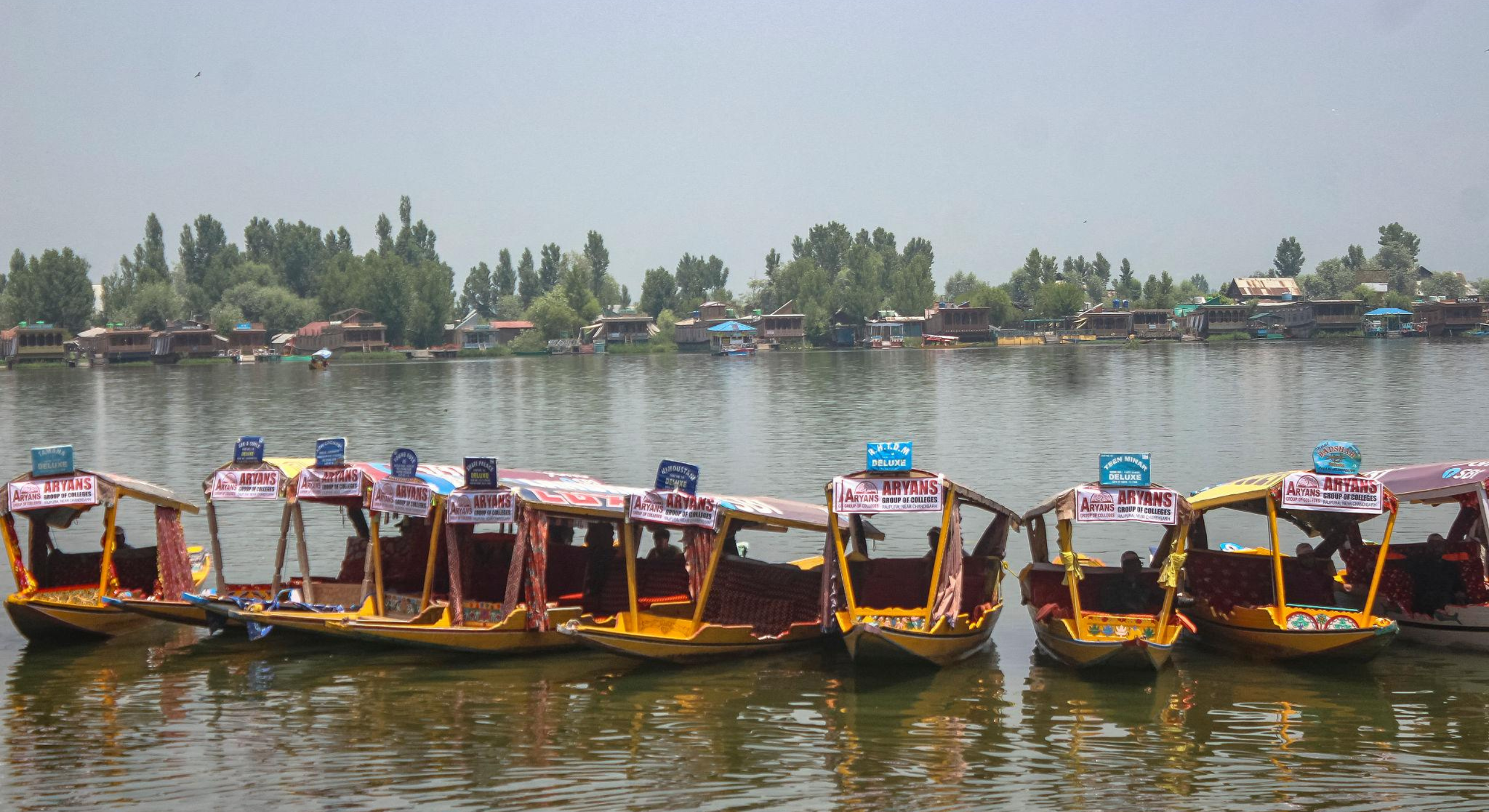
The transition from Jammu to Kashmir is dramatic, especially as you pass through the Qazigund-Banihal (Navyug) Tunnel, emerging into the lush green landscape of the Valley.Srinagar: The summer capital. Spend a night on a houseboat in Nigeen Lake for a more tranquil experience than the bustling Dal Lake.Gulmarg: Famous for the Gulmarg Gondola. In 2026, ensure you book Phase 2 tickets at least 48 hours in advance online.Pahalgam: Known as the “Valley of Shepherds.” It is the starting point for the Lidder River rafting and the base for the Aru and Betaab Valley explorations.
Option A:
The Essential Loop
(7 Days / 6 Nights)
Day 1-2: Arrival in Jammu/Katra; Vaishno Devi Darshan.
Day 3: Drive to Pahalgam via Patnitop (approx. 7–8 hours).
Day 4: Explore Pahalgam (Aru & Betaab Valley).
Day 5: Drive to Gulmarg; Gondola Ride.
Day 6: Srinagar Local Sightseeing (Mughal Gardens & Shikara Ride).
Day 7: Departure from Srinagar Airport.
Option B:
The Grand J&K Explorer
(10 Days / 9 Nights)
Day 1-2: Katra (Vaishno Devi).
Day 3: Patnitop (Nature walks and Skyview Gondola).
Day 4-5: Pahalgam (Riverside camping and local valleys).
Day 6: Gulmarg (Overnight stay for early morning Phase 2 Gondola).
Day 7-8: Srinagar (Houseboat stay, Old City walk, and Tulip Garden/Dachigam National Park).
Day 9: Day trip to Sonamarg (Thajiwas Glacier).
Day 10: Departure.
The Role of a Specialist Combining these regions involves navigating two different sets of taxi unions, mountain road closures, and specific pilgrimage permits. This is where a customized operator like DesiTravels becomes invaluable.
A specialized operator like DesiTravels can blend these distinct experiences into a single, stress-free journey by:
Managing Union Transitions: They coordinate the switch between Jammu-based vehicles and Kashmir-based local union taxis (required in Pahalgam/Gulmarg) so you never have to haggle on the road.
Pilgrimage & Adventure Fusion: They can arrange a helicopter for Vaishno Devi in the morning and have a private Shikara waiting for you in Srinagar by the next afternoon.
Transparent Pricing:
For international travelers, DesiTravels offers “all-inclusive” packages that cover everything from the special Inner Line Permits to the local guide fees, ensuring no surprise “hidden costs” in the middle of your trek.
The Rail Link: By mid-2026, the USBRL (Udhampur-Srinagar-Baramulla Rail Link) is expected to be fully operational, allowing you to travel from Jammu to Srinagar by train over the world’s highest rail bridge (Chenab Bridge). Check for Vande Bharat schedules for a high-speed transit.
Connectivity: Remeber that prepaid SIMs from outside the region do not work. Your operator can help you secure a local connection or ensure your accommodation has reliable Wi-Fi.
Would you prefer an itinerary that prioritizes spiritual stops like Vaishno Devi, or are you looking for more of an adventure-heavy mountain experience?